Nobody tells you the first week is mostly damage control. Here’s how to actually set yourself up.
Getting a puppy is one of the better decisions you can make. It is also, in the first few weeks, one of the more disorienting ones. Your house is suddenly not yours. Your sleep schedule is negotiable. Every object below knee height is a potential casualty.
Most puppy guides try to make this sound more charming than it is. This one won’t. Instead, here’s a practical, honest breakdown of what to do in the first few weeks — what matters, what you can skip, and how to build a foundation that makes the next twelve years significantly easier.
Before They Arrive: Set Up Your Space
The hour before your puppy comes home is your last window of calm for a while. Use it.
Remove what you don’t want destroyed
Get down on your hands and knees and look at your home from puppy height. Anything at that level that you care about needs to go somewhere else temporarily — cables behind furniture, shoes left by the door, anything chewable within reach. This isn’t permanent, but puppies explore with their mouths and move faster than you expect.
Pick one zone and commit to it
Designate a specific area as your puppy’s home base — somewhere with their bed, their crate, their water, their toys. Keep it consistent, especially in the first two weeks. Puppies settle faster when the boundaries are clear. A pen or baby gate is worth it. Giving a puppy free run of the whole house on day one is how you get a puppy who owns your whole house.
Baby gates are not optional
Stairs are a hazard for young puppies, and rooms you’re not actively supervising are rooms where accidents happen. Gate off both. You can expand their territory as they earn it.
What to Actually Buy (And What to Skip)
The pet industry is very good at selling new puppy owners things they don’t need. Here’s a clear-eyed list.
The essentials
- Food and water bowls — heavy enough not to slide. Ceramic or stainless. Skip the novelty shapes.
- High-quality puppy food — ask your vet for a specific recommendation based on your dog’s breed and projected adult size. The brand matters less than getting the right nutrient balance for their growth stage.
- A crate — sized for adult dimensions with a divider panel to make it smaller for now. The crate is not a punishment. It is a den. Most dogs, once crate trained, genuinely prefer having one.
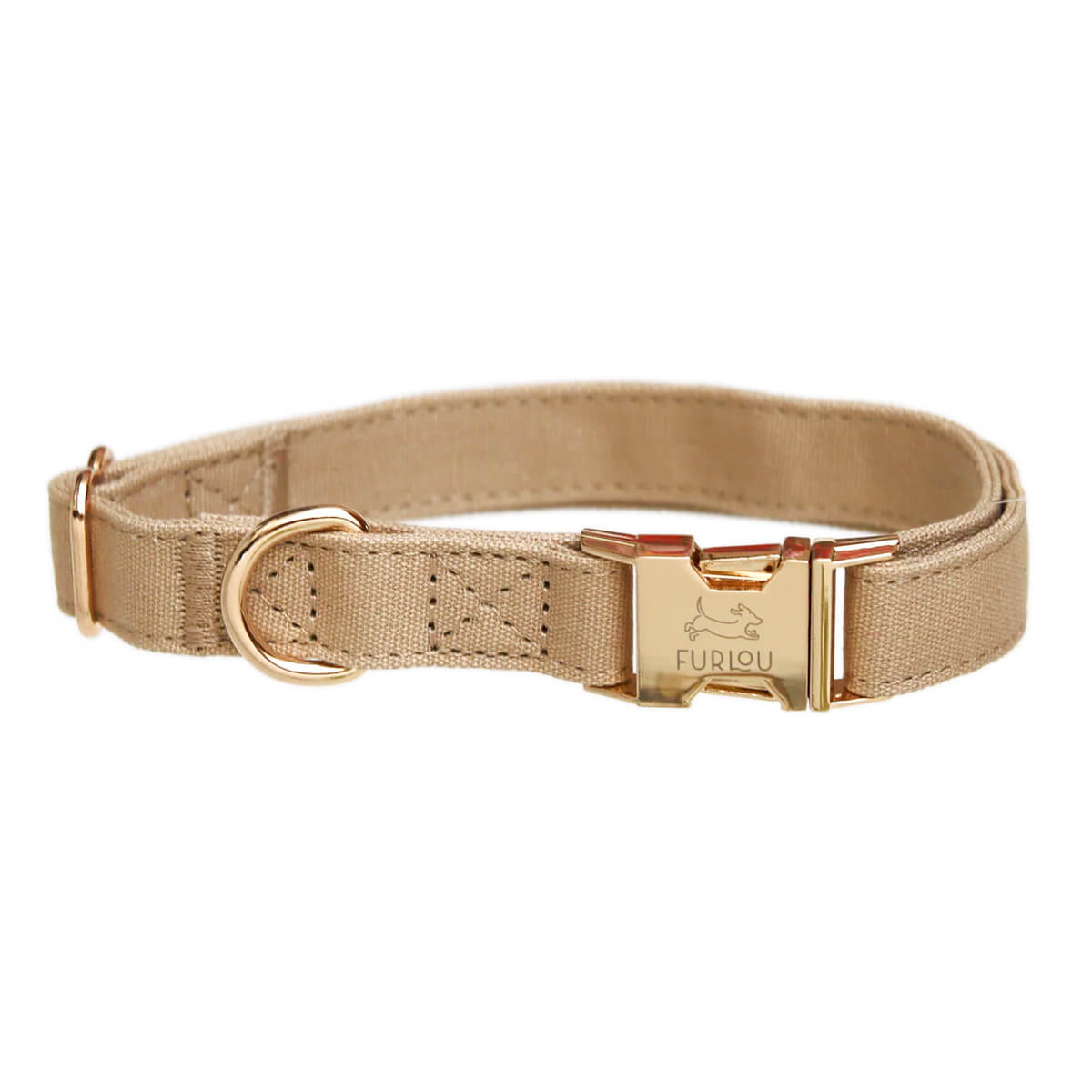
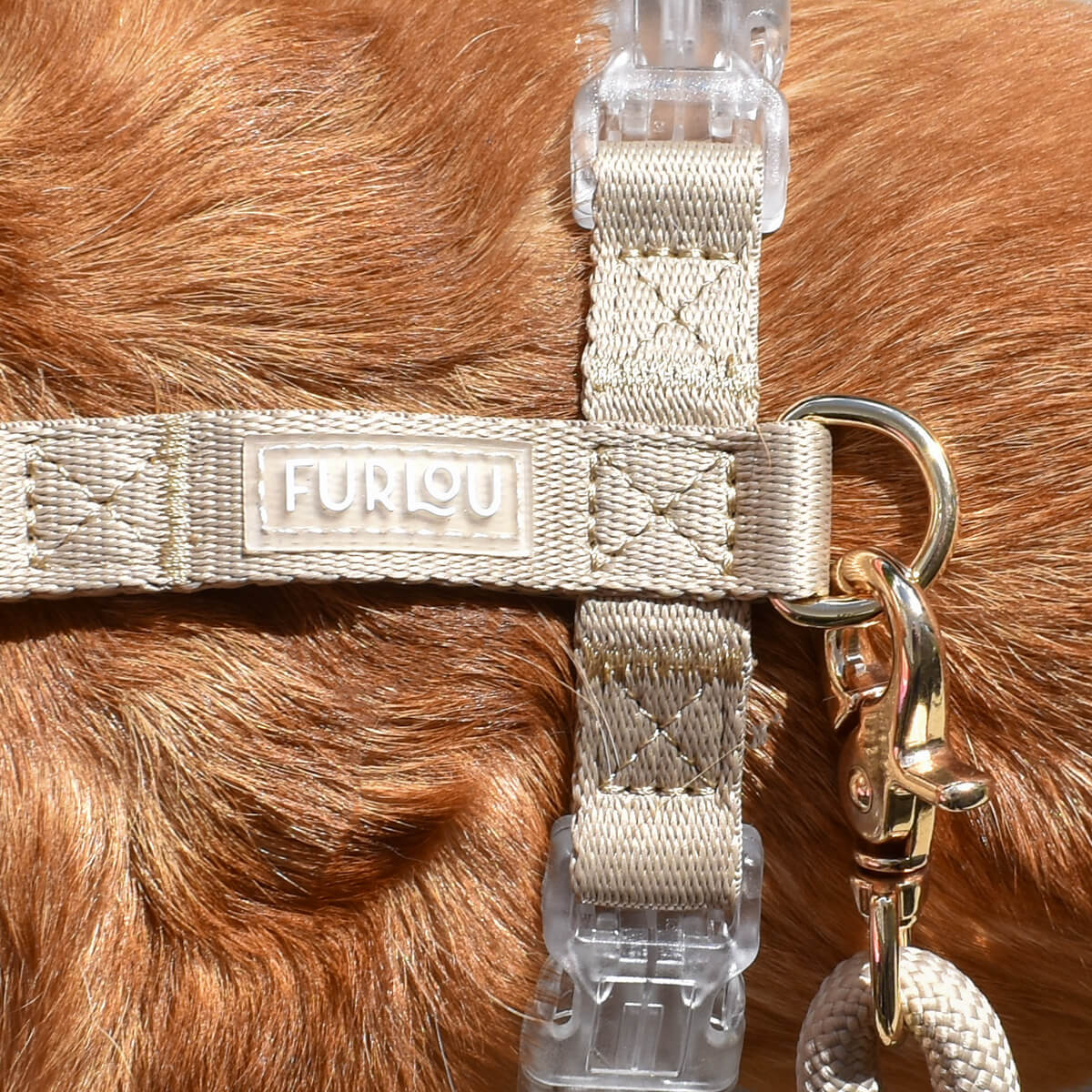
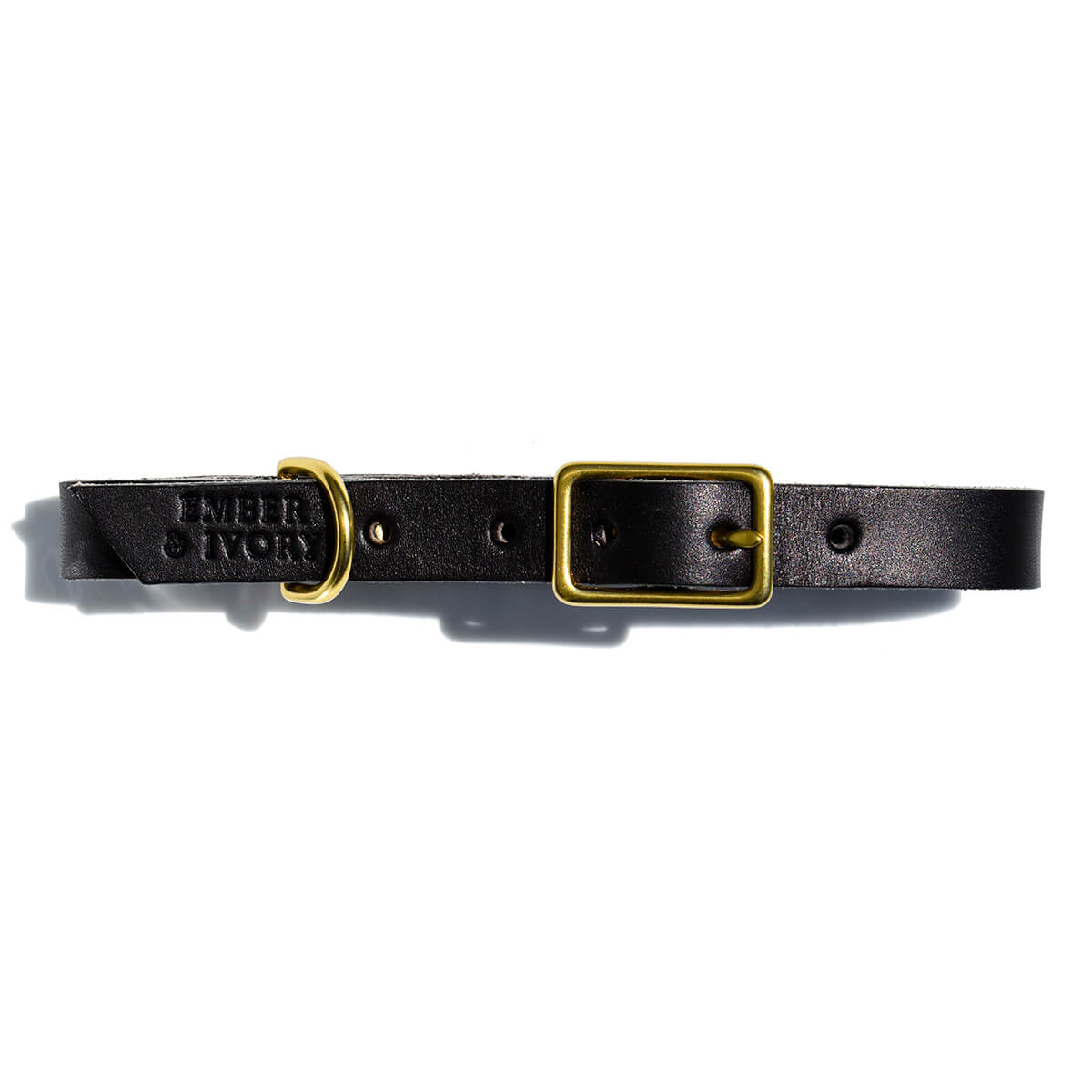
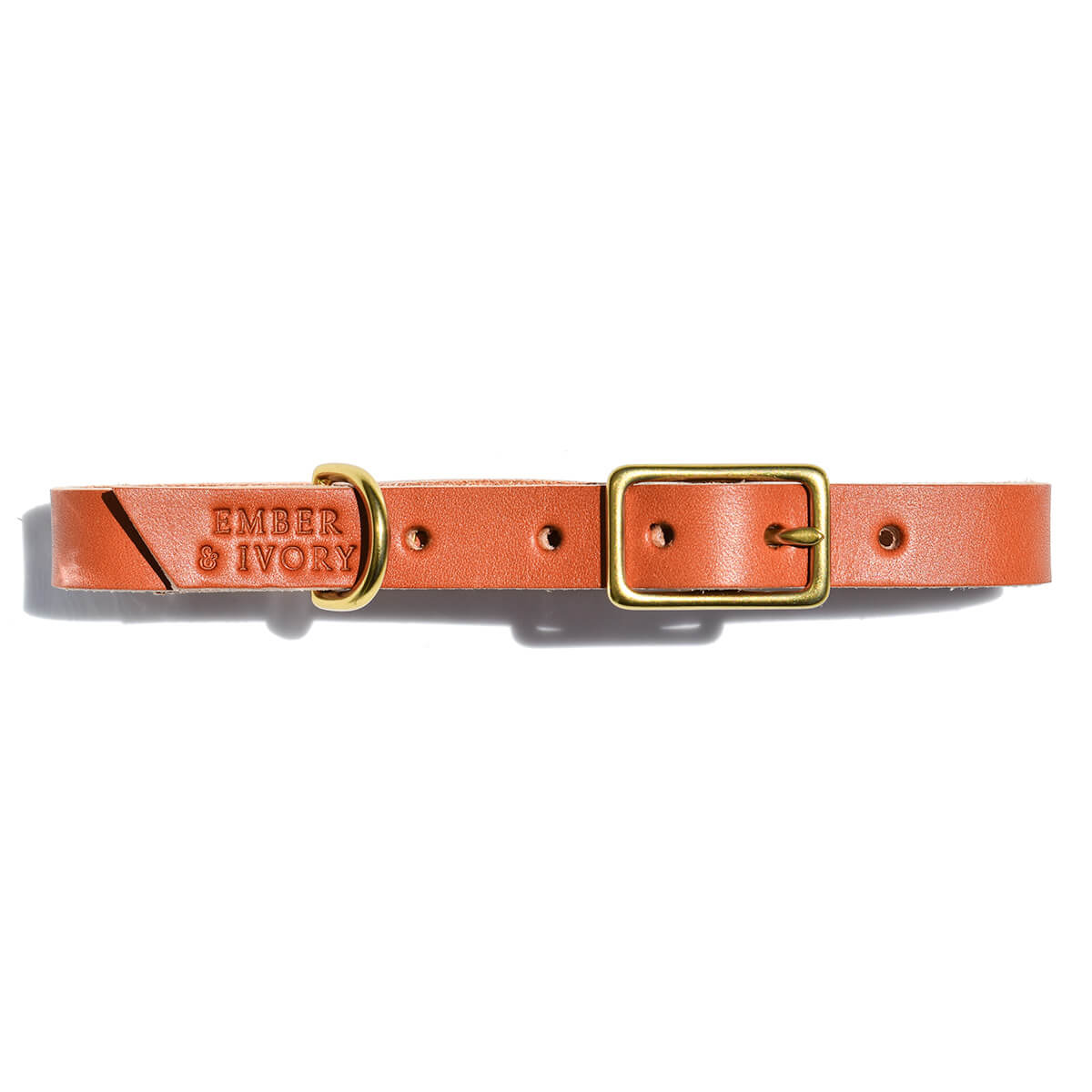
- A collar and leash — fitted properly from day one, even if you’re not walking them outside yet. Getting them used to wearing a collar early makes everything easier later.
- Chew toys — several, varied textures. Puppies teeth. Give them something appropriate to chew or they’ll find something inappropriate.
What you can skip — at least at first
- Elaborate puppy clothing — unless you live somewhere very cold, your dog does not need a wardrobe in week one.
- Every toy in the store — start with four or five and see what your specific dog actually engages with before buying more.
- A dog bed before the crate is established — most puppies will ignore an expensive bed and sleep in the crate anyway. Wait until you know their sleeping habits before investing in something they’ll redistribute across the house.
Build a Routine From Day One
Puppies don’t come pre-loaded with patience, bladder control, or an understanding of your schedule. A consistent daily routine is how you build all three.
The structure doesn’t need to be rigid, but the key moments should happen at roughly the same time every day. Puppies learn patterns faster than they learn rules.
The daily framework that works
- Morning — outside immediately upon waking, before anything else. Then food. Then a short play or training session.
- Midday — another potty break. Some play or training. A rest period. Puppies sleep a lot and need to.
- Afternoon — potty break after the nap. A walk if they’re vaccinated and old enough. More calm time.
- Evening — family time, which naturally includes play. Final potty break before you go to bed. Later is better than earlier.
The single most important thing you can do in the first two weeks is take them outside relentlessly. Before they ask. Every hour if needed. The more opportunities you give them to get it right outside, the faster they figure it out.
For a more detailed approach to potty training, read our complete guide here.
Start Training Immediately — Gently and Briefly
You don’t need a formal training program in week one. You do need to start communicating clearly from day one, because every interaction is already teaching your puppy something about how the world works.
What to focus on first
- Their name — say it, reward the look. That’s it. Repeat.
- Sit — the foundation of everything. Easier to teach than most people expect.
- Come — start in the same room, reward heavily. Never punish a puppy for coming to you, even if it took them a while.
- Leave it — one of the most useful commands you’ll ever teach, and you can start introducing it immediately.
How to do it without making it a chore
Keep sessions short — five minutes, three times a day is far more effective than one twenty-minute session. Puppies have a short attention span and a long memory for how something made them feel. Keep it positive, keep it brief, and stop while they’re still engaged.
Use treats that actually motivate your dog. If they’re not responding, the reward may not be interesting enough — not a discipline problem.
Patience is not optional here. They will get it. They won’t get it on your timeline.
Socialization: The Window You Don’t Want to Miss
Between roughly three and fourteen weeks of age, puppies are in what’s called the socialization window — a developmental period when new experiences are absorbed and normalized rather than feared. What they encounter during this window shapes their temperament significantly.
This doesn’t mean throwing them into overwhelming situations. It means deliberate, calm exposure to the things they’ll encounter throughout their lives.
What to expose them to
- Different people — different ages, appearances, hats, uniforms, children. The more variety the better.
- Other dogs — vaccinated, calm adult dogs are ideal. Puppy classes are structured well for this.
- Different surfaces — grass, gravel, sand, hardwood, metal grates. Puppies that only ever walk on carpet can develop real anxiety around unfamiliar surfaces later.
- Sounds — traffic, appliances, construction, crowds. Brief exposure in a calm context is what you’re after.
- Being handled — ears, paws, mouth. Your vet will thank you. Every groomer will thank you.
A note on vaccination timing
There’s a genuine tension here: full vaccination usually isn’t complete until around sixteen weeks, but the socialization window peaks before that. The current guidance from most veterinary behaviorists is that the risk of behavioral problems from under-socialization outweighs the disease risk of careful, controlled exposure. Carry your puppy. Visit friends with vaccinated dogs. Attend a reputable puppy class that requires health checks. Don’t keep them in a bubble until sixteen weeks.
Their First Vet Visit
Schedule it within the first week of bringing them home if possible. Even if they came with a health certificate, you want your own vet’s eyes on them early.
What to expect
- A full physical examination
- Vaccination schedule confirmation — your vet will tell you what they’ve had and what’s still needed
- Flea, tick, and heartworm prevention discussion — this varies significantly by region, so get local advice
- Microchipping if not already done — do this
- A spay/neuter conversation — timing recommendations have evolved in recent years, particularly for larger breeds. Ask specifically about the research on early vs. delayed spay/neuter for your dog’s breed and size
Your vet is your best resource. Come with questions written down. The appointment goes fast.
The First Few Nights
The first night is usually the hardest. Your puppy has just left everything familiar — their littermates, their smell, their whole world — and they’re in a strange place with strangers. Some puppies settle immediately. Most don’t.
Putting the crate near your bed for the first week or two helps significantly. They can hear and smell you without being in your bed. If they cry in the night, take them outside — assume they need to go, because they often do. Then back in the crate.
Sleep deprivation is real in the early weeks. It passes. By eight to twelve weeks in, most puppies are sleeping through the night.
What Nobody Mentions
A few things that come up consistently but rarely make it into guides:
Puppy blues are real
A significant number of new puppy owners experience a period of doubt, overwhelm, or genuine regret in the first few weeks. This is well-documented and completely normal. It doesn’t mean you made a mistake. It means you’re sleep-deprived and living with a small animal who doesn’t yet understand anything about your life. It gets better, usually faster than you expect.
Biting is normal — and still needs to be addressed
Puppies bite. They bite hard and they bite constantly, because that’s how they’ve interacted with the world since birth. It is not aggression. It is also something you need to interrupt consistently. Redirect to a toy, stop play when biting happens, and be consistent. It improves significantly around four to five months as adult teeth come in.
Breed matters more than you might expect
A Border Collie and a Basset Hound are different animals in terms of energy, drive, and what they need from you. General puppy advice applies broadly, but invest some time in understanding the specific tendencies of your breed — particularly if it’s a working or herding dog.
You will make mistakes
Every dog owner does. You’ll accidentally reward something you didn’t mean to. You’ll miss a cue and have an accident on the floor. You’ll forget to socialize them to something important. None of it is fatal to the relationship you’re building. Dogs are forgiving, adaptable, and genuinely want a working partnership with you.
The Bottom Line
The first few weeks with a puppy are demanding. They’re also the weeks that set the tone for everything that follows. The time you put into routines, socialization, and basic training right now pays out across years.
You don’t need to be perfect. You need to be consistent, patient, and present. The rest follows.